Explore Eddyfi Technologies Product Lines
 Automated Vision Systems
 ET & UT Solutions
 Nuclear Steam Generators
 Remote Monitoring Solutions



 Robotics Solutions

Guided Wave Phased Array (GWPA™)
Guided Wave Phased Array (GWPA™) combines guided wave ultrasound with electronic beam steering to inspect large areas of in-service and difficult-to-access plate-like structures.
Details
GWPA™ is a new technique making plate inspection of in-service and inaccessible areas possible by utilizing the power of guided wave ultrasound and the electronic beam steering capabilities of phased array technology.
Whilst guided waves can be used to inspect hidden and inaccessible regions of structures, such as areas below the ground, underwater, beneath coatings, insulation, or concrete – they can also provide the ability to screen large sections of a structure from a single, remote probe position.
Until now, long-range inspection technology has been limited to pipes. With the Sonyks system combined with the technology from Guidedwave, this is no longer the case.
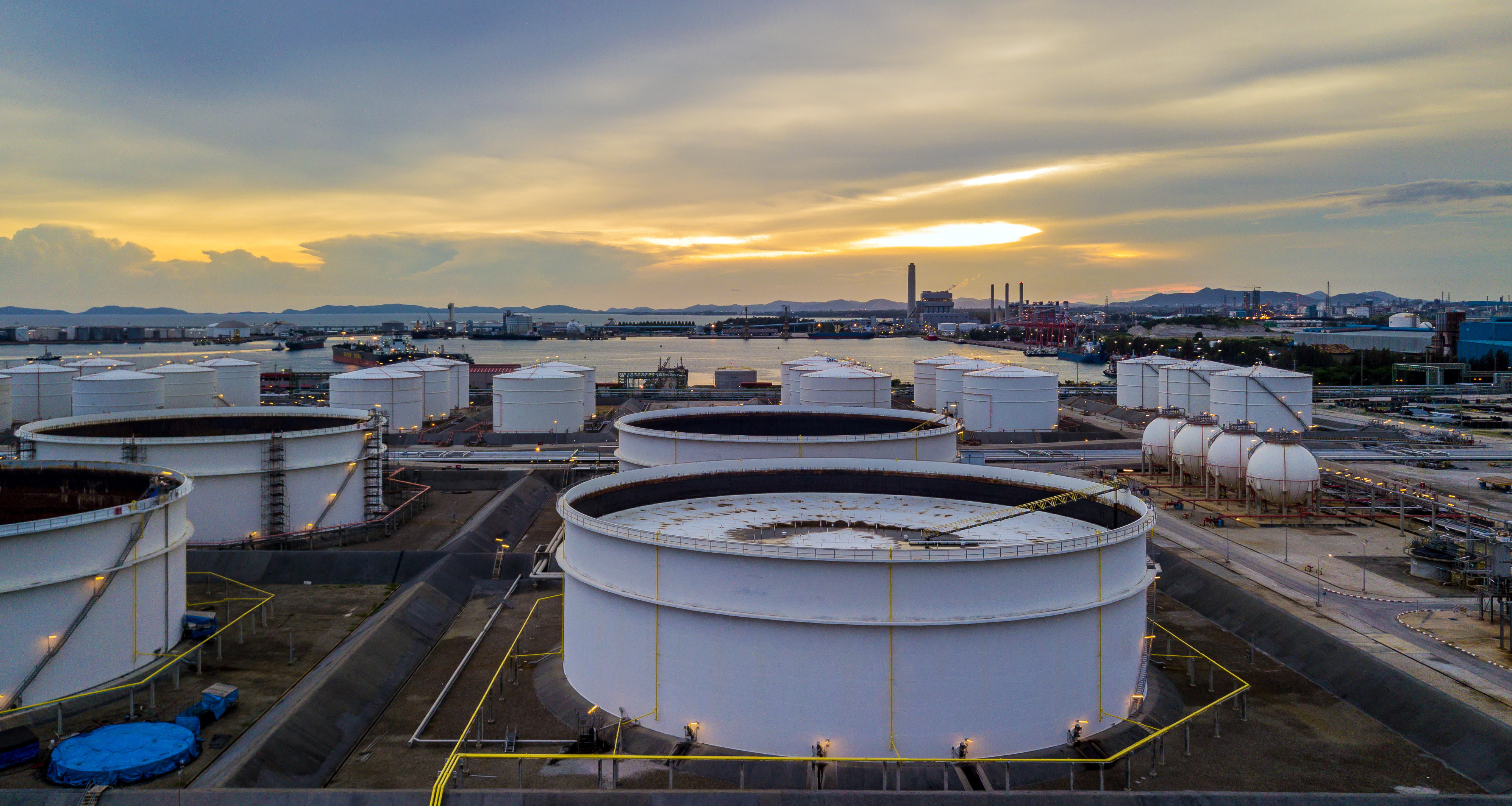
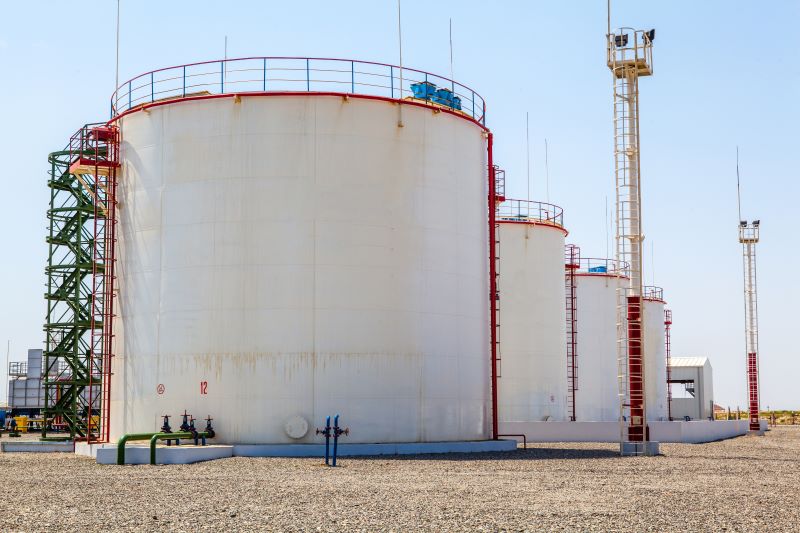
Inspecting Beyond Reach
Scanning Tank Walls Above and Below Grade
Have confidence in your decision making by understanding what’s going on below the surface. There’s no need to dig up or remove sections, or even to empty the tank. Scan from the outside to quickly locate areas and categorize flaws.
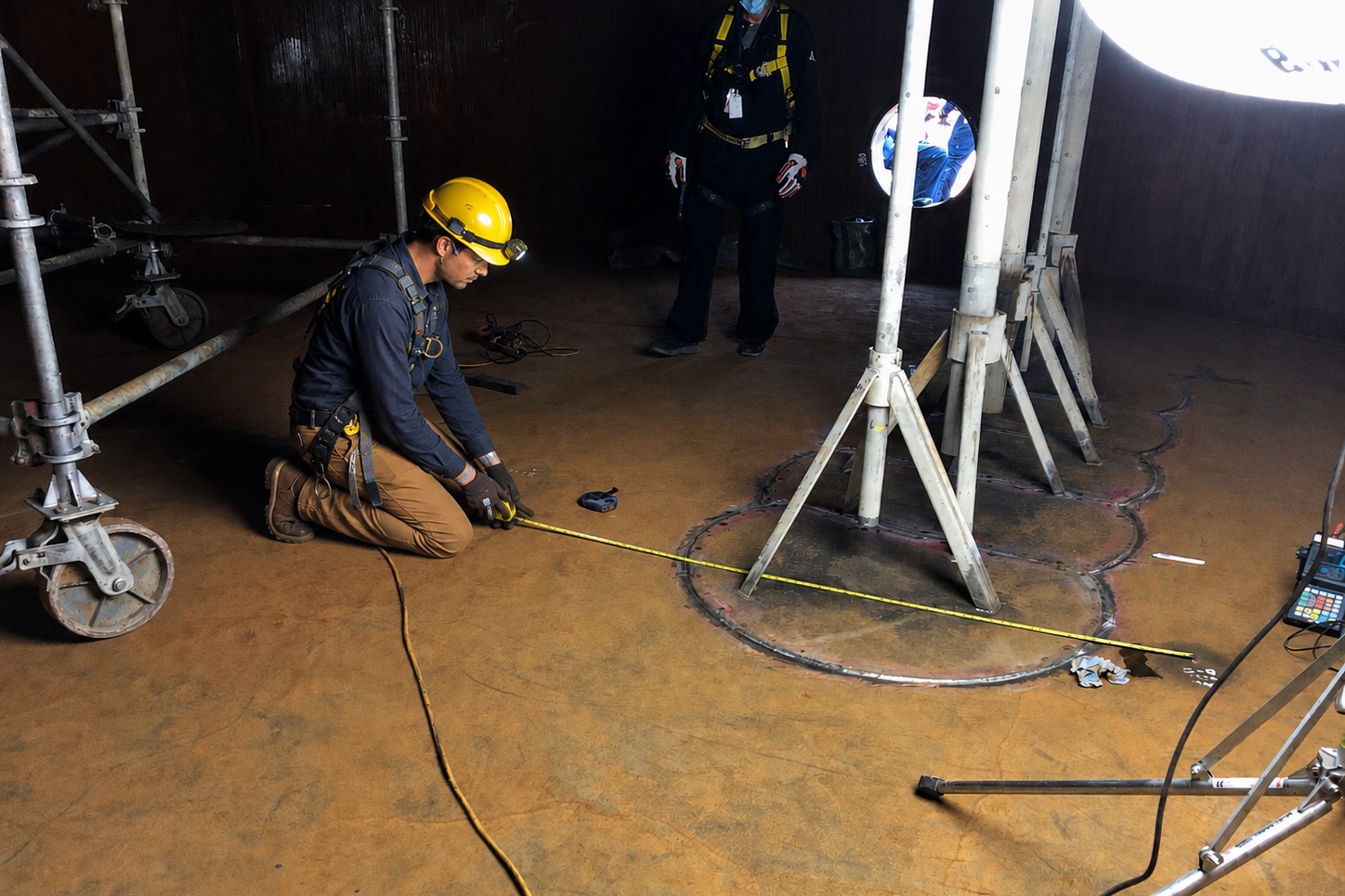
Screening Tank Floors
Whilst most methods of screening involve a thorough clean of the entire tank floor, which can be costly and time consuming, GWPA™ only requires a rough clean at the spots where the probe is in contact.
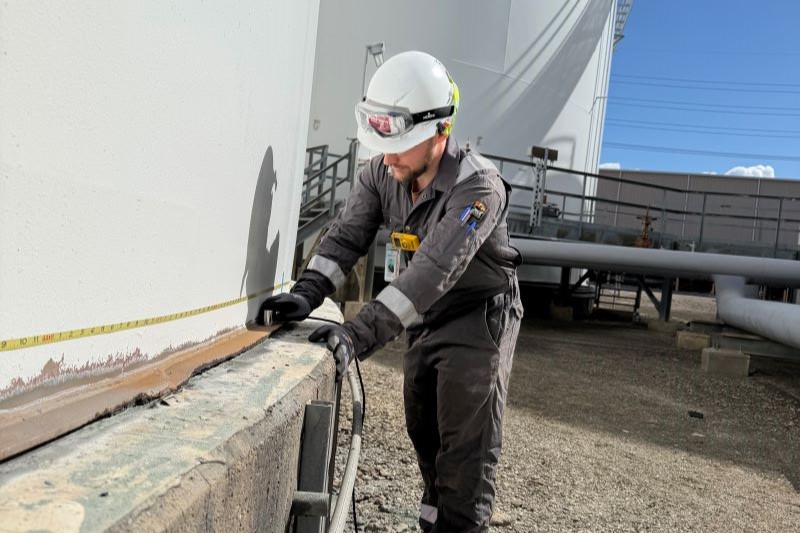
In-service Inspection from the Annular Plate
If taking the tank out of service is inconvenient or not possible, you can use GWPA™ to inspect the critical zone from the outside. With this technology, there’s no need to empty the tank, allowing you to understand the condition of your asset whilst losing no downtime.
How It Works
What You Can Expect
Guided Wave Phased Array effectively provides a large-scale scan of plate-like structures from a single point. This will give you a snapshot of where and what the flaws are, providing you with more confidence to make the right decisions. It’s fast and efficient, cost effective, and provides 100% volumetric coverage.
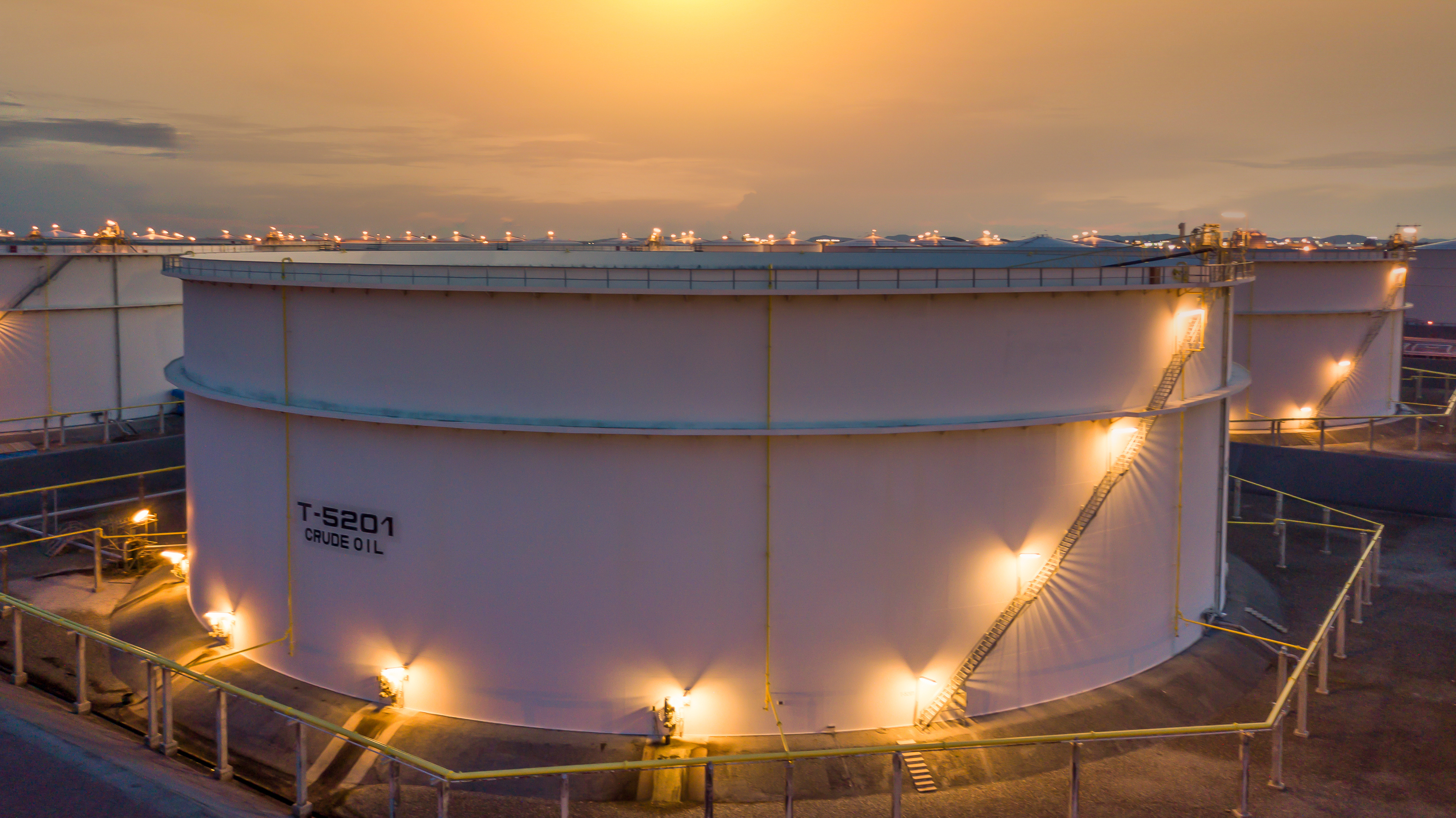
The technical bit
Unlike conventional ultrasonic testing that mostly inspects just the area directly beneath the probe, GWPA™ generates guided wave beams that travel along the structure and extend more than 10 feet beyond the sensor location. Each scan can cover an area of 150 ft² in seconds.
The low-frequency (50-200 kHz) shear horizontal waves used can penetrate coatings, soil, and concrete while remaining unaffected by liquids in contact with the asset. Because the wave mode is non-dispersive, setup and analysis are simplified, helping inspectors achieve reliable results with less complexity.
Whist this technique won’t provide you with a wall thickness check, it will quickly tell you where the flaws are, negating the need to raster scan the whole floor with a single UT probe, or even the need to take the tank out of service to examine the critical zone. You will then know the exact locations to go in with a UT probe to get the size and severity / thickness.
GWPA™ can be used manually by hand or incorporated into a robotic system for difficult-to-access areas such as structures at height, inaccessible areas, and in-service structures.
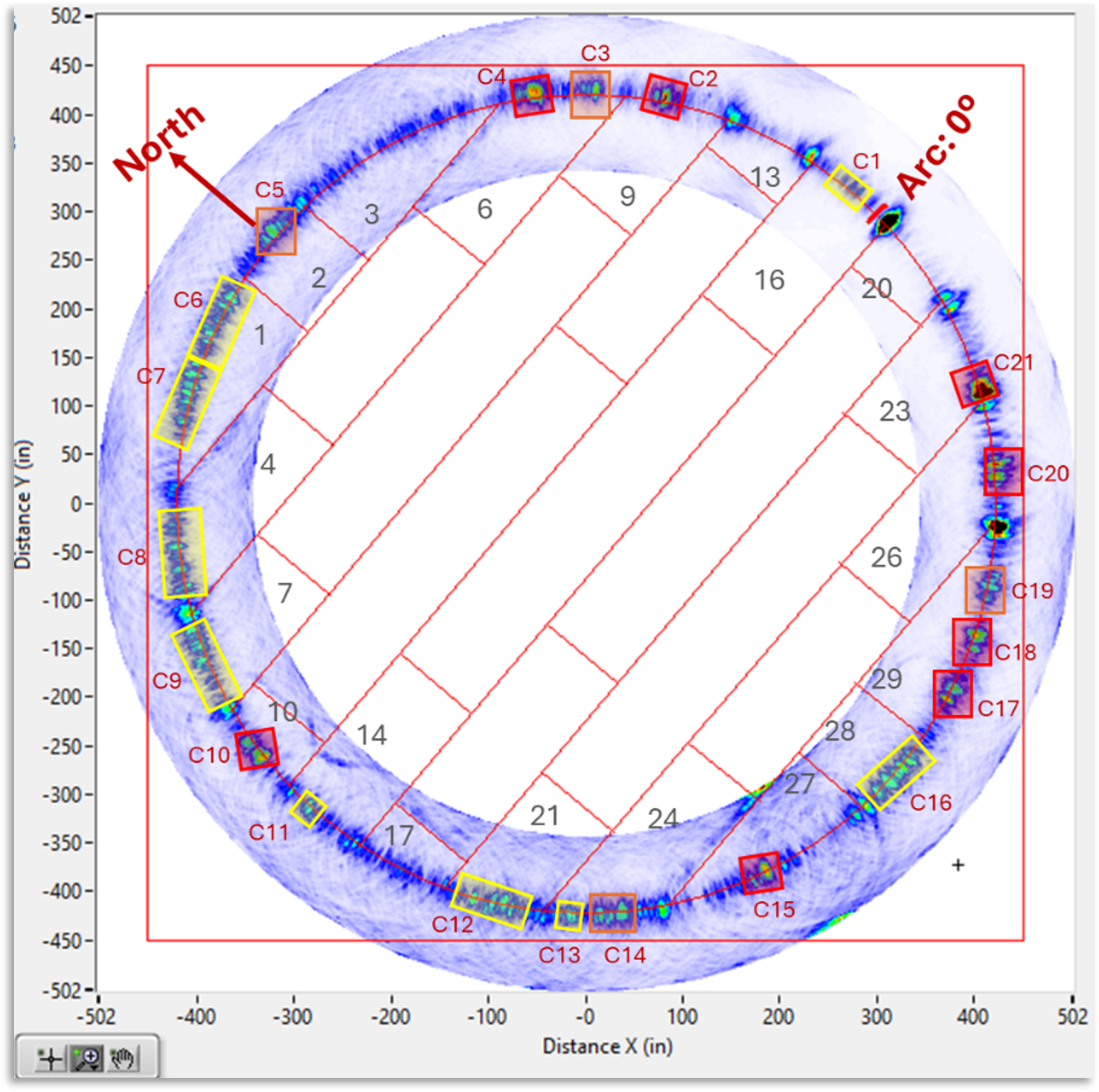
Scan of the critical zone from the annular plate.
At a Glance
- Inspect inaccessible, coated, insulated, and buried plate sections without extensive surface preparation
- Suitable for flat and slightly curved plates up to 1 in. (25 mm) thick
- Reliable inspection results, even when liquids are in contact with the asset
- Drawing overlay for correlation between inspection data and the asset
- Screen large plate and shell areas quickly and efficiently
- Detect flaws on both the near and far sides of the structure
- Simplified guided wave technology for faster setup and easier operation
- Composite imaging for more confident interpretation
We’re Just Getting Started
The results we're seeing from GWPA™ have been exceptionally encouraging, revealing new possibilities for inspecting sections of assets that have traditionally been difficult, costly, or time-consuming to evaluate.
As we continue to expand its applications, we're taking a measured approach to ensure every customer receives the highest level of reliability, confidence, and support. Our team will work closely with you throughout the process, helping you get the most from the technology and achieve the best possible outcomes.